

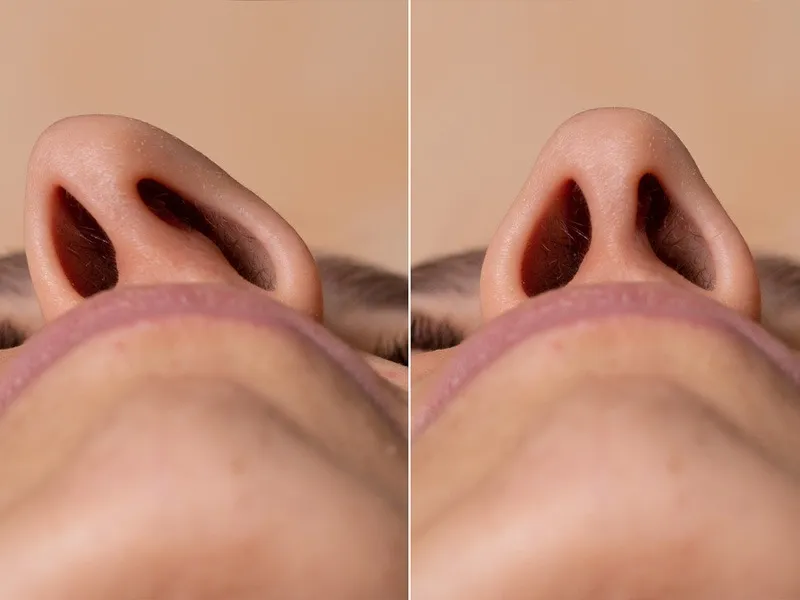
A deviated septum occurs when the thin wall (nasal septum) that divides the nasal passages is displaced to one side, causing one nasal passage to be smaller. This condition may lead to breathing difficulties, frequent sinus infections, nosebleeds, and snoring. Our ENT specialists offer medical management and advanced surgical correction (septoplasty) for long-term relief.
Common Symptoms
- Nasal congestion or blockage (often worse on one side)
- Difficulty breathing through the nose
- Frequent sinus infections
- Nosebleeds
- Snoring or noisy breathing during sleep
- Facial pain or pressure
- Post-nasal drip and headaches
Prevention & Health Measures
- While a deviated septum is often congenital or caused by injury, preventive care can reduce complications:
- Protect your nose from trauma (helmets, face guards in sports).
- Manage allergies to prevent worsening nasal blockage.
- Use humidifiers to keep nasal passages moist.
- Seek ENT evaluation if nasal obstruction persists.
Conclusion
A deviated septum can significantly affect breathing and quality of life. While mild cases may be managed with medications, severe cases often require surgical correction. Timely treatment ensures better airflow, fewer infections, and improved sleep.