

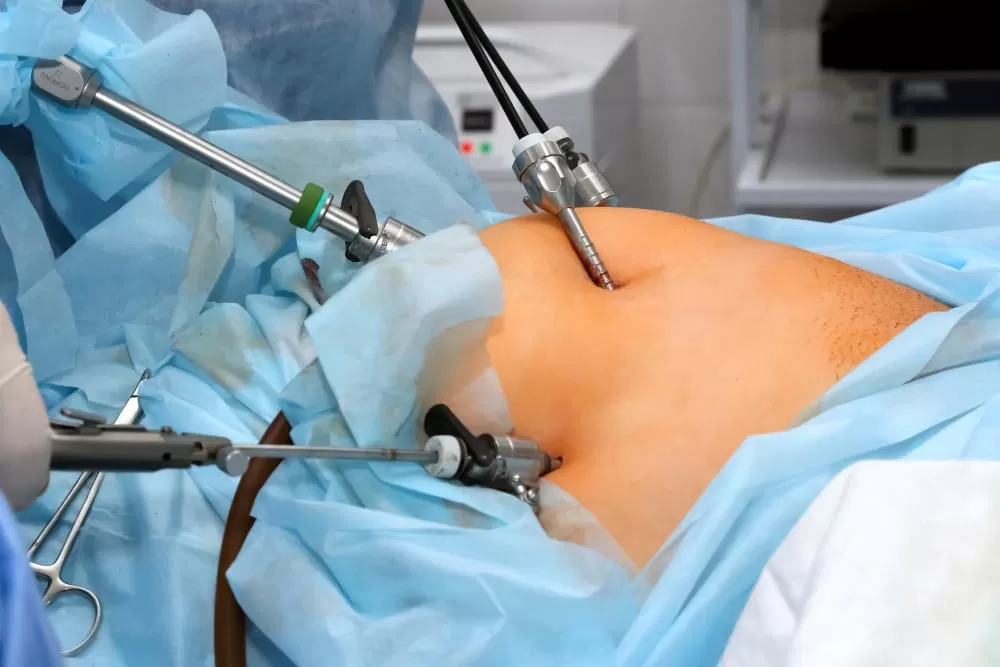
Laparoscopic surgery, also called minimally invasive surgery, uses small incisions, a camera, and specialized instruments to perform procedures inside the abdomen or pelvis. It offers quicker recovery, less pain, and minimal scarring compared to traditional open surgery. Common laparoscopic procedures include gallbladder removal, appendix removal, hernia repair, ovarian cyst removal, and diagnostic laparoscopy.
Common Symptoms That May Require Laparoscopic Surgery
- Severe or persistent abdominal pain
- Gallstones causing pain, nausea, or indigestion
- Appendicitis (sudden pain in the lower abdomen)
- Hernia with bulging or discomfort
- Ovarian cysts or endometriosis
- Unexplained infertility (diagnostic laparoscopy)
Prevention & Health Measures
- Maintain a balanced diet to prevent gallstones and obesity-related issues.
- Exercise regularly to reduce the risk of hernias and improve overall abdominal health.
- Seek early medical attention for abdominal pain or discomfort to avoid complications.
- Routine health check-ups for women to detect cysts or endometriosis early.
Conclusion
Laparoscopic surgery is a safe, effective, and patient-friendly alternative to open surgery. With smaller cuts, reduced pain, and faster recovery, it enables patients to return to normal life sooner. Early diagnosis and timely treatment play a crucial role in preventing serious complications.